
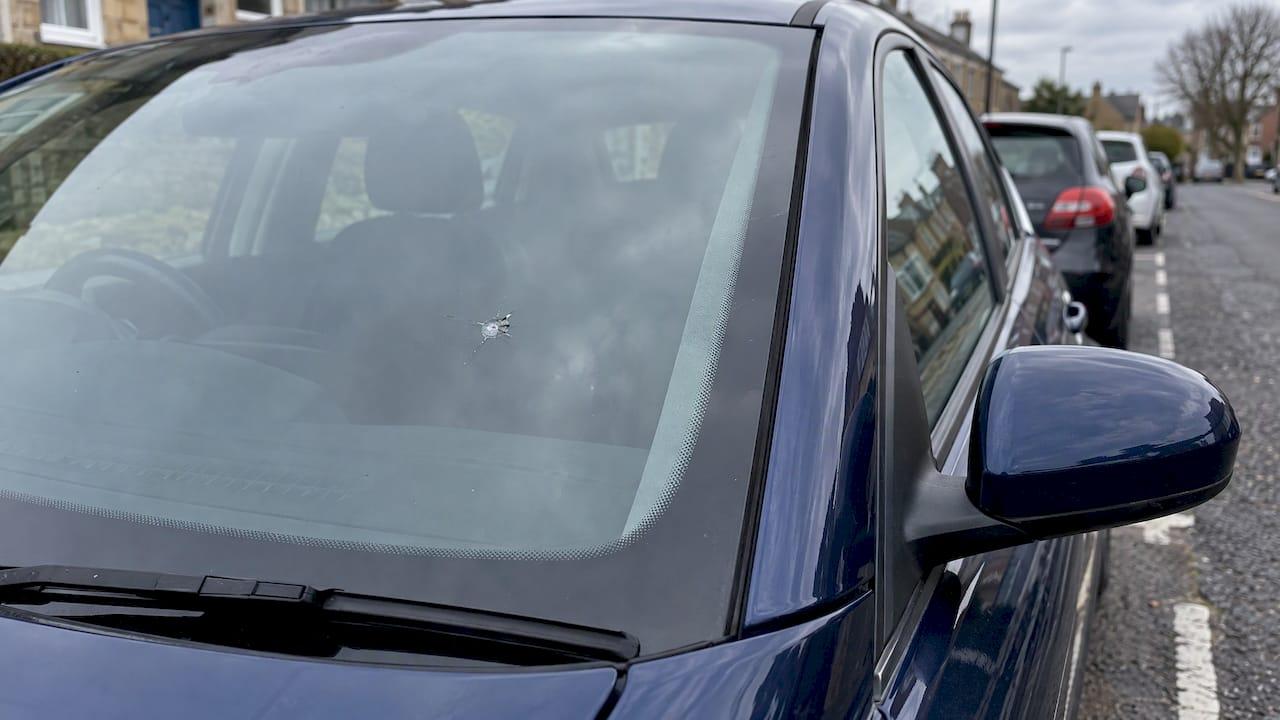
You will usually be charged at handback for any chip, crack or hole in a leased car's windscreen, and for scratches that affect the driver's view. Light surface scratches outside your line of sight are normally accepted as fair wear and tear. The charge is whatever the funder's tariff or the replacement cost says, and it is often far higher than a repair you arrange yourself beforehand. The good news is that windscreen damage is one of the easiest end-of-lease charges to avoid if you act early.
TL;DR
- Chips, cracks and holes are not fair wear and tear under the BVRLA standard. Light scratches that do not affect your line of sight or the heating elements are acceptable.
- A professional repair with a transferable warranty, done before return, is allowed. Book an appraisal 10 to 12 weeks before handback.
- Comprehensive insurance usually covers windscreens, often for a modest excess. Check your policy first.
- If you think a charge is unfair, you can ask for an independent engineer's examination, and the BVRLA can step in on unresolved disputes.
- Modern screens with cameras and sensors cost more to replace, so a small chip is worth fixing fast.
Table of Contents
- What counts as fair wear and tear on a leased windscreen
- How much can a windscreen charge be?
- How the end-of-lease inspection works
- Repair before you hand back
- Can insurance pay for it?
- If you think the charge is unfair
- Choosing a lease with the end in mind
- Looking for a lease where the terms are clear?
- FAQ
- Sources
What counts as fair wear and tear on a leased windscreen
The industry yardstick is the BVRLA's fair wear and tear guide. It says light windscreen scratches are acceptable if they do not interfere with the driver's line of sight or the heating elements. Chips, cracks or holes are not acceptable. A chip that has been professionally repaired and warrantied can pass, provided it sits outside the driver's line of sight.
The principle behind it is simple. The BVRLA describes fair wear and tear as deterioration from normal use, while damage comes from a specific event such as an impact or a negligent act or omission. A stone flicked up on a motorway is an event. Years of gentle wiper marks are use.
| Windscreen condition | Usually acceptable? |
|---|---|
| Light scratches, clear of line of sight and heating elements | Yes |
| Chip, crack or hole of any size | No |
| Professionally repaired chip outside the driver's line of sight, with warranty | Yes |
| Poor or failed repair leaving distortion or a cavity | No |
| Deep wiper-arc scratches that impair vision | No |
Some glass specialists apply a stricter reading than the guide. One windscreen company states that any crack, however short, is chargeable, as are failed chip repairs and multiple defects judged together as affecting safety or visibility. Your own contract and the funder's published standard are what count, so read them.
The MOT rule of thumb
The same source notes that MOT rules make a useful benchmark: damage over 10mm in the critical A-zone, a 290mm band centred on the steering wheel, or over 40mm anywhere in the swept area can mean a fail. A screen that would not pass an MOT is a screen you should expect to be charged for. Our car safety checks guide covers what to look at between services.

How much can a windscreen charge be?
There is no single national figure, because the charge depends on the funder's tariff, the car and whether the screen needs replacing. What we can say is what drives the number.
- Repair versus replacement. A chip repair is the cheap end of the scale. Halfords lists chip repair from £50, taking around 30 minutes, for chips up to 25mm. Larger or more extensive damage may need a full replacement.
- Cameras and sensors. Many newer cars have driver-assistance cameras behind the glass. One UK glazing firm says camera calibration alone typically starts from around £190 to £199, with radar or sensor work costing more, on top of the glass itself.
- Administration fees. Funders can add inspection or handling fees to the repair cost. These are set out in your contract, so check the tariff you signed.
The practical conclusion is that a chip you fix for the price of a repair can turn into a replacement bill, with calibration, if you leave it. Repair costs are yours to control. A funder's charge is not.
How the end-of-lease inspection works
According to the BVRLA, the vehicle is collected and inspected by an independent company. At collection you and the leasing representative should agree the car's condition and note any readily apparent damage. The car may then get a full inspection at the leasing company's nominated site, so a charge can appear after the car has gone.
That is why the collection moment matters. Walk round with the driver, look through the windscreen from the driver's seat, and make sure anything noted is accurate. Take dated photos of the screen from outside and inside before the car leaves. Our guides on the end of lease inspection and how to return a leased car correctly walk through the day in more detail.
Repair before you hand back
Yes, you should repair windscreen damage first. The BVRLA says you can arrange repairs to anything outside the agreed return standard before returning the car, provided a reputable repairer completes the work professionally and gives you a fully transferable warranty. Keep the invoice and warranty with the car's paperwork.
When to start
The BVRLA advises appraising the car 10 to 12 weeks before return, which leaves time to fix unacceptable wear and tear. Its checklist includes lamps, lenses, windows and mirrors, looking for chips, cracks and holes. Our fair wear and tear checklist follows that timeline week by week.
A pre-return routine for the glass
- Clean the screen inside and out so you can see every mark. A streak-free car glass cleaning method shows chips and scratches that grime would hide.
- Look from the driver's seat through the area swept by the wipers, then check the edges and the area around any sensors.
- Run a fingernail across any mark. If it catches, treat it as a chip or scratch that needs attention.
- Photograph anything you find with the date visible.
- Book a repair or replacement with a reputable glazier and ask for the warranty in writing.
- Check wiper blades. Worn blades can leave arcs in the glass, and cheap blades are far less costly than a screen.
Avoid sticking dashcams or satnav mounts where they obstruct your view. Remove them before handback and clean off any residue.
Can insurance pay for it?
Often, yes, and it is worth checking before you pay out of pocket. Windscreen cover is usually included in comprehensive insurance, though you should check your policy. Insurers set their own terms. For example, Aviva's Signature cover has a £115 excess for replacement and £10 for chip repairs, and Aviva says most insurers will not affect your No Claim Discount for a windscreen claim.

Other insurers differ. Swinton's comprehensive policies include windscreen cover as standard with a £25 excess for repairs and £75 for replacements when you use their approved repairer. esure's policy booklet caps what it pays at £100 per incident if you choose a repairer other than its recommended one.
The lesson: use your insurer's approved repairer where you can, and make sure the repairer's warranty is transferable, since the funder will want it. Leased cars normally must be insured comprehensively, which is why this route is so often open. Read our guide on who pays for repairs on a leased car for how responsibility is split.
Our view on windscreen charges
We broker car and van leases every day, and windscreen charges are among the most avoidable bills we see. They are avoidable because the fix is cheap when it is early and expensive when it is left.
Our advice is to treat every chip as a job for this month, not for handback day. Fix it, keep the paperwork, and photograph the screen. As a family-run, FCA-authorised broker and BVRLA member with 30+ years of experience, we would rather you hand the car back with no surprises than call us after a bill arrives.
It is also why we compare contracts in detail. Fixed monthly payments and no hidden fees are only half the story, and we want you to know what the end-of-lease terms look like before you sign, not after.
Jason
If you think the charge is unfair
You have rights. In a dispute, you can pay for an examination by an independent qualified engineer agreed by both parties. The engineer's decision is binding, and if it favours you, the BVRLA member refunds the reasonable examination cost. Unresolved disputes can be referred to the BVRLA.
Before going that far, do this:
- Ask for the itemised report, with photos, and the tariff the funder applied.
- Compare it with your own dated photos and any repair invoice and warranty.
- Check whether the charge relates to the screen itself or to something else, such as a missing item or a fee.
- Reply in writing and keep copies.
Our explainers on the BVRLA Code and the 30 working day process and lease damage charges set out the steps. If your car was damaged in an accident, see what happens if you damage a leased car.
Choosing a lease with the end in mind
The cheapest monthly payment is not always the cheapest lease. Before you sign, ask what the funder's return standard is, how damage is tariffed, and whether an optional maintenance package suits how you drive. High-mileage motorway drivers pick up chips more often, so they should plan for it.
If you are comparing options, personal car leasing and business car leasing pages show what is available, and our guides to leasing cover contract terms. Our lease maintenance responsibilities guide explains what you are expected to look after.
Looking for a lease where the terms are clear?
We are a family-run broker. We offer fixed monthly payments, no deposit options and free UK delivery on eligible vehicles, plus support for driving instructors, NHS staff, electric vehicle drivers and short-term needs. We compare contracts for you and talk you through the return terms before you commit.
Start with a car leasing enquiry, or browse our full range of car and van leasing.
FAQ
Is a small windscreen chip chargeable at the end of a lease?
Usually yes. The BVRLA guide does not accept chips, cracks or holes, though a professionally repaired chip outside the driver's line of sight is acceptable with a warranty. Repair it early so it does not spread. Check your own funder's standard too.
Does windscreen damage count as fair wear and tear?
Only light scratches that do not interfere with your line of sight or the heating elements. Damage from a specific event, such as a stone strike, is treated as damage rather than normal use.
Will a windscreen insurance claim affect my no claims discount?
Often not. Aviva says most insurers will not affect your No Claim Discount for a windscreen claim, and Swinton and esure state that their windscreen claims do not count against it. Check your own policy wording, because terms differ by insurer.
Can I repair the windscreen myself before returning the car?
You can arrange the repair, but it must be done professionally by a reputable repairer who provides a fully transferable warranty. A DIY resin kit is unlikely to meet that standard. Keep the invoice and warranty for the inspector.
What if I disagree with the charge?
Ask for the itemised report, compare it with your photos and repair paperwork, and challenge it in writing. You can also request an independent engineer's examination, and unresolved disputes can go to the BVRLA.
Sources
- BVRLA fair wear and tear guide (hosted by Moneybarn)
- BVRLA: Returning your leased vehicle
- Fleet Motorglass: Lease windscreens, fair wear and damage
- Halfords: Windscreen chip repair
- North West Windscreens: ADAS calibration cost
- Aviva: Windscreen cover explained
- Swinton: Windscreen cover
- esure: Motor policy booklet