

You are responsible for keeping a leased car roadworthy and returning it in a condition that meets the lease agreement, whatever the contract type. On a finance-provider maintained contract, the funder arranges and pays for servicing as part of your monthly fee. On a customer-maintained contract, you organise and pay for it yourself, but still have to follow the manufacturer's schedule. A maintenance package tends to make sense on longer leases, high-mileage driving, or if you'd rather not think about tyre bills.
TL;DR:
- Maintenance packages typically cover scheduled servicing, tyre wear, MOTs, and fair-wear exhaust or battery replacements, but exclude accidental damage and routine consumables.
- On maintained contracts, the funder handles booking and payments through approved garages, while customer-maintained lessees must organize and fund their own services with proper records.
- Regular monthly checks on tyre tread, pressure, and dashboard warnings can prevent end-of-lease disputes caused by overlooked wear or minor damages.
- Repair costs done outside approved networks or without proper documentation often lead to charges, highlighting the importance of following the manufacturer's schedule and keeping proof.
- A maintenance package offers budgeting predictability mainly for longer leases with high mileage or larger vehicles, but may not save money for infrequent drivers or short-term leases.
Table of Contents
- What does lease car maintenance cover?
- Finance-provider maintained or customer-maintained: who is responsible?
- What's included and excluded from a maintenance package?
- How does servicing work on a lease car?
- What counts as fair wear and tear at lease end?
- Is a maintenance package worth the extra cost?
- A month-by-month checklist to avoid lease-end charges
- Why maintenance planning matters more than most lessees realise
- Get maintenance sorted before you sign, not after
- Sources
- FAQ
What does lease car maintenance cover?
A maintenance package bundled into a lease agreement handles the routine, predictable costs of running the car, not the unexpected ones. Most packages cover scheduled servicing at the intervals the manufacturer sets, replacement tyres when they wear down through normal use, and the MOT test once the vehicle is old enough to need one, which usually only applies on leases running past three years.
Batteries and exhaust components often fall under the same package when they fail due to fair wear and tear rather than misuse. Many providers throw in breakdown or roadside assistance too, though the level of cover varies enormously between funders, as LeasePlan's contract hire guide makes clear.
What a package typically includes:
- Scheduled manufacturer servicing at set mileage or time intervals
- Tyre replacement for genuine wear, not damage
- MOT testing where the lease term requires it
- Battery and exhaust replacement due to fair wear and tear
- Breakdown or roadside assistance, cover levels vary by provider
Manufacturer warranty and a maintenance package are not the same thing. The warranty covers mechanical faults and defects; the maintenance package covers the routine wear items the warranty was never designed to touch. Small consumables like oil top-ups between services and screen wash almost always sit outside the package too, since these are considered part of everyday driving upkeep rather than scheduled maintenance, as Autotrader's leasing guide notes.
Finance-provider maintained or customer-maintained: who is responsible?
The contract type decides who books the garage and who pays the bill, but not who ultimately answers for the car's condition. A finance-provider maintained contract folds servicing costs into your monthly payment, and the funder typically directs you to an approved network of garages. A customer-maintained contract leaves you to organise and fund every service yourself, on your own schedule and with your own choice of garage.
The BVRLA's guidance on returning a leased vehicle is explicit that members must set out these obligations clearly, and that lessees responsible for their own servicing must still follow that schedule and retain proper proof of it.
Where the two contract types differ:
- Maintained: funder pays and often books servicing through an approved network
- Customer-maintained: you pay, choose the garage, and keep the paperwork
- Both: manufacturer schedule compliance is mandatory regardless of who pays
- Both: service evidence must be available at collection
The BVRLA Leasing Code reinforces this: contracts must state maintenance responsibilities in plain terms, and members are expected to explain return standards and collection procedures before the car ever leaves the forecourt.
What's included and excluded from a maintenance package?
Packages are consistent on the big-ticket items but inconsistent everywhere else, which is exactly where disputes start. Servicing, wear-related tyre replacement, and MOTs (where applicable) appear in almost every package on the market, according to Autotrader's breakdown of lease servicing. What gets left out matters just as much as what gets included.
Common exclusions to watch for:
- Accidental damage, including kerbed alloys and cracked bumpers
- Vandalism and theft-related repairs
- Windscreen and glass chips or cracks
- Misfuelling, or putting the wrong fuel in the tank
- Interior damage beyond fair wear and tear
Whether relief vehicles or full breakdown cover are included varies by funder, and some providers treat a courtesy car as a paid extra rather than a standard inclusion, something LeasePlan's own contract guide flags directly. Read the maintenance schedule attached to your quote line by line rather than trusting the summary description, since two packages advertised the same way can differ in what they actually pay for. It's also worth checking what happens if damage occurs during the lease, since accidental damage rarely falls under any maintenance package regardless of provider.
How does servicing work on a lease car?
Booking the right way matters as much as booking on time. If you're on a maintained contract, the funder usually has an approved repairer network and expects you to book through them rather than a local garage of your choosing. Go outside that network and you risk the funder refusing to pay, or refusing to recognise the work at inspection.
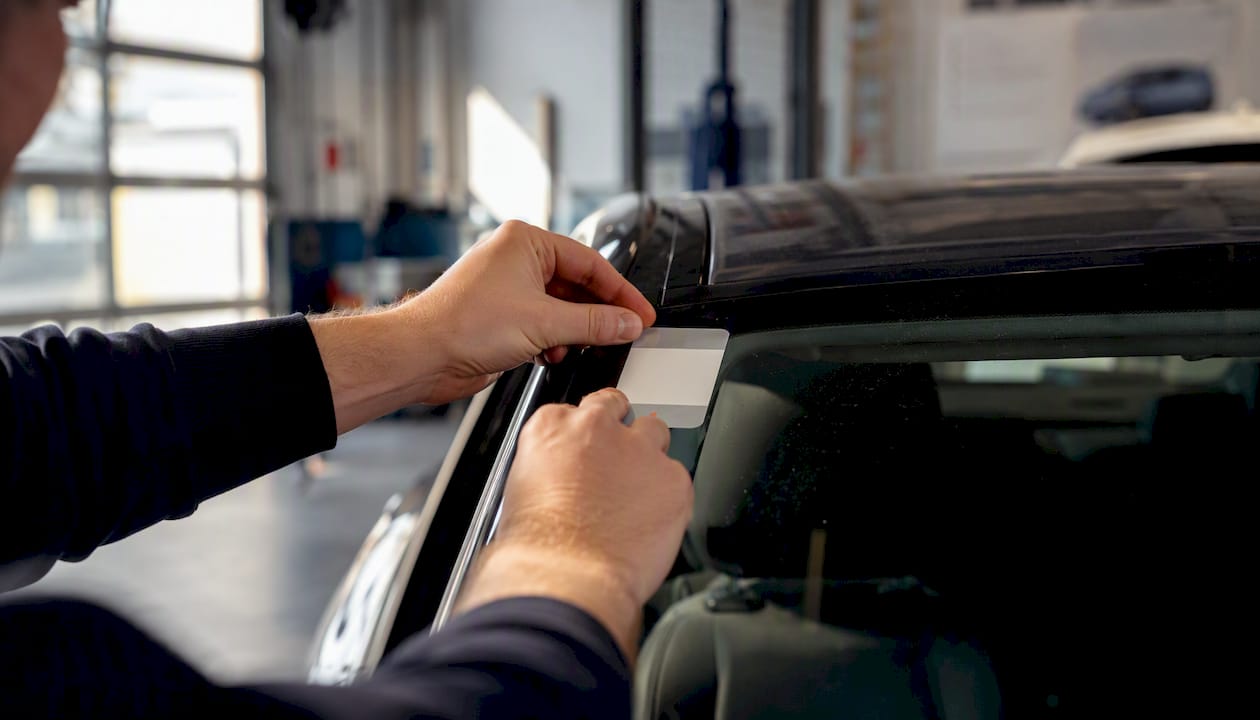
If you're customer-maintained, you have more freedom, but not unlimited freedom. Garages should be VAT registered and use parts that match the original specification, and every service needs to be recorded, either stamped in a physical service book or logged through the manufacturer's approved electronic system.
Errors that catch lessees out most often:
- Not resetting the digital service-interval display after a service, which can make it look like nothing was done
- Getting DIY or bargain-garage repairs done without a transferable warranty
- Losing or never keeping receipts for parts and labour
That last point causes more disputes than actual mechanical faults, according to BVRLA return guidance, which notes that poor record-keeping, not poor mechanical condition, is the more common cause of end-of-lease charges. A tool like the CarJourney maintenance schedule guide is a useful reference if you want to understand exactly when services fall due for your specific model.
Pro Tip: Photograph every stamped page of your service book, or screenshot the electronic record, the moment each service is done. If the physical book goes missing before collection, you'll still have proof.
What counts as fair wear and tear at lease end?
Fair wear and tear is the standard that decides whether a mark on the car costs you money or not, and the reference point everyone in the industry uses is the BVRLA Fair Wear and Tear Guide. It draws a line between damage that comes from normal, reasonable use over the lease term, and damage that comes from neglect, an accident, or poor repair work. Knowing that line before your inspection date, not after, is what keeps the final invoice manageable.
- Book an independent appraisal 10 to 12 weeks before your return date, giving you time to fix anything that would otherwise be flagged.
- Gather your paperwork: full service history, MOT certificates, and warranties for any professional repair work carried out during the lease.
- Expect the inspector to focus on tyres, alloys, bumpers, glass, interior trim, and anything mechanical that was reported but not fixed.
- Get any necessary repairs done by a reputable garage that provides a transferable warranty, since DIY fixes without one are frequently rejected outright.
- Present your service evidence at collection alongside the vehicle, keys, and any accessories that came with it.
Skipping the appraisal step is the single most common reason lessees get hit with charges they didn't expect. A tyre that's borderline legal, or a scuff that would've cost £40 at an independent garage, can turn into a much larger deduction once it's assessed against the BVRLA standard at collection rather than before it. Reading through a full return guide before that appointment date is worth the twenty minutes it takes.
Is a maintenance package worth the extra cost?
Think of a maintenance package the way you'd think about insurance: you're paying a fixed amount every month to avoid an unpredictable one later. Whether that trade works in your favour depends on how the car gets used, not on any universal rule.
A rough servicing bill can run somewhere in the £200 to £400 range, a mid-range tyre with fitting is often close to £120, and MOT fees are set at the standard national rate, all figures Autotrader cites as typical costs. Add those up across a three or four-year term and compare the total against the package price quoted alongside your lease.
Factors that tip the decision:
- Lease length: longer terms mean more scheduled services and a higher chance of needing tyres, so packages earn their cost more often
- Annual mileage: high-mileage drivers wear tyres and consumables faster than the average package price assumes
- Vehicle type: larger tyres and premium parts cost more to replace, which shifts the maths towards a package
- Your own tolerance for surprise bills: if an unexpected £300 invoice would genuinely disrupt your budget, fixed monthly cost buys peace of mind worth having
Industry commentary generally treats these packages as a budgeting tool rather than a way to save money outright, useful for anyone who prefers predictability over the occasional cheaper year.
A month-by-month checklist to avoid lease-end charges
Most end-of-lease disputes trace back to small habits skipped over months, not one big mistake near collection. A short routine, kept up consistently, does more to protect your final invoice than any last-minute scramble.
- Check tyre tread and pressure monthly, and glance at lights, wipers, and fluid levels while you're at it.
- Act on dashboard warnings immediately rather than waiting for the next scheduled service.
- Keep every service stamped or logged electronically, and never let a garage skip resetting the interval display.
- Retain receipts for any repair work, no matter how small, in case a garage's own records ever go missing.
- Book an independent appraisal 10 to 12 weeks before your return date.
- Arrange professional repairs with a transferable warranty for anything the appraisal flags.
- Clean the car thoroughly, inside and out, before collection.
- Remove personal data from any connected infotainment system, along with personal belongings and toll tags.
Pro Tip: Set a recurring monthly reminder on your phone for tyre and fluid checks. It takes five minutes and catches the kind of slow wear that turns into a charge if it's left until the inspector spots it.
Following a routine safety check guide for your specific model takes the guesswork out of what to look for each month, particularly if you're not naturally mechanically minded.

Why maintenance planning matters more than most lessees realise
Most lessees treat maintenance as an afterthought, something to sort out once the "service due" light comes on. That's backwards. The decisions that actually protect your deposit and avoid a nasty final invoice get made in the first fortnight of the lease, not the last month of it.
The gap between finance-provider maintained and customer-maintained contracts gets sold as a cost decision. It's really a risk decision. Choosing customer-maintained saves you money on paper if you're diligent, organised, and use a garage that keeps proper records. It costs you money if you're not, because the BVRLA standard doesn't care why your paperwork is missing, only that it is. That's the part conventional advice tends to gloss over: a maintenance package isn't really about avoiding bills, it's about outsourcing the discipline that avoiding bills requires.
The other underrated point is timing. Everyone knows to check the car before return. Fewer people realise that a repair done eight months before collection, with a proper warranty attached, is treated completely differently to the same repair done in a panic three weeks before the funder's inspector turns up. Early, unhurried maintenance decisions consistently beat reactive ones, and that's true whether you're on a maintained package or going it alone.
— Jason
Get maintenance sorted before you sign, not after
Working out your maintenance responsibilities is far easier before you sign than after, which is exactly where Lease World fits in. As a family-run broker rather than a faceless corporate lender, Lease World compares maintenance-inclusive and maintenance-excluded quotes side by side for the same vehicle, so you can see the real monthly difference before committing, not guess at it.
Every quote comes with fixed monthly payments, no deposit options on eligible vehicles, and free mainland UK delivery, with dedicated support if you need help understanding what a specific funder's package does and doesn't cover. Lease World's full maintenance option sets out exactly what's included on servicing, repairs and tyres, so you're not relying on small print alone. If you want the numbers for your own situation, request a personalised quote and ask specifically for a maintained versus non-maintained comparison. It takes minutes and settles the question properly.
Sources
- Returning your leased vehicle | BVRLA
- Everything you need to know about servicing and maintaining a lease car | Autotrader
FAQ
Who is responsible for servicing a leased car?
You are contractually responsible for keeping the car serviced to the manufacturer's schedule, either directly if you're customer-maintained or through the funder if you've taken a maintenance package.
What does maintenance include when leasing a car?
It typically covers scheduled servicing, tyre replacement for fair wear and tear, MOTs where the lease term requires one, and sometimes breakdown assistance, but usually excludes accidental damage and routine consumables like screen wash.
How does servicing work with a lease car?
On a maintained contract you book through the funder's approved repairer network; on a customer-maintained contract you choose your own reputable garage but must still follow the manufacturer's schedule and keep proof of every service.
Is a maintenance package worth it on a lease car?
It's worth it if you want predictable monthly costs and drive higher mileage or hold a longer lease term, since the fixed price protects you against the servicing, tyre and MOT bills that add up over three or four years.