
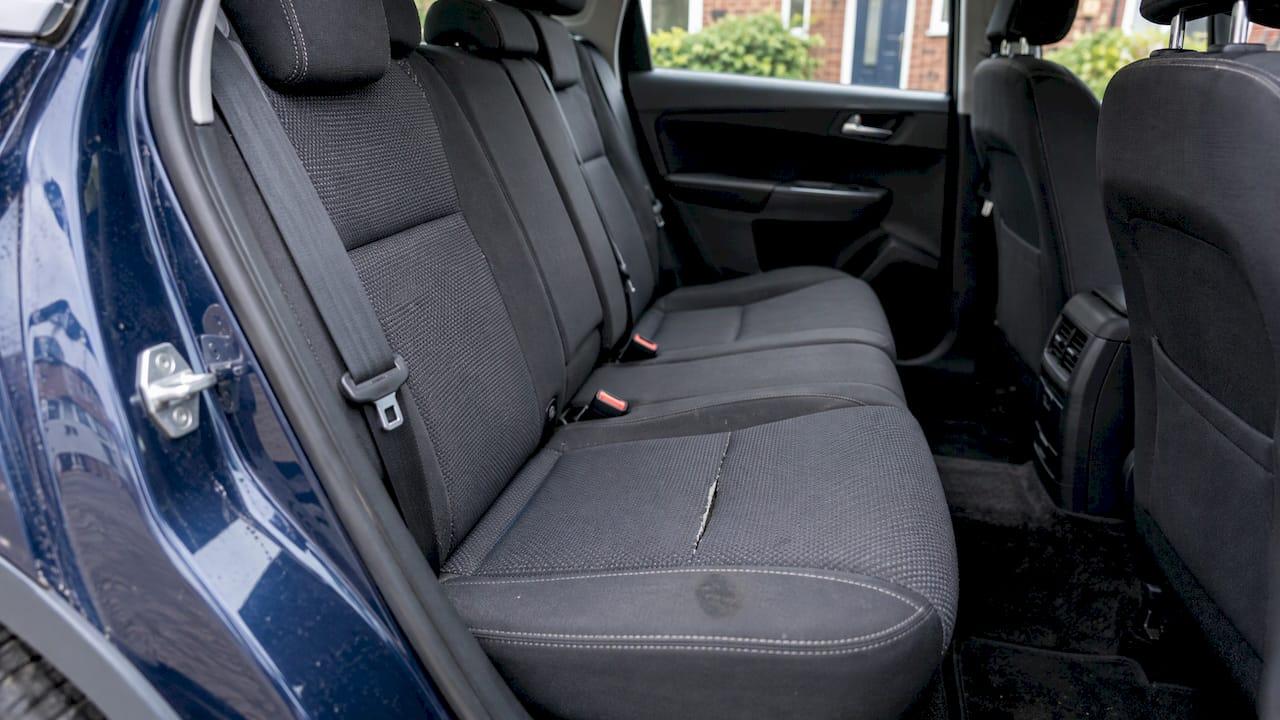
When you hand back a leased car in the UK, the funder charges for interior damage but not for normal wear. Burns, tears, deep stains and holes are chargeable. General soiling and light wear from everyday use are not. Most funders judge this against the BVRLA Fair Wear and Tear standard, so you can check your own car against the same yardstick before the collection driver arrives.
This guide shows where that line sits for seats, carpets, trim and headlining. It covers what the charges can cost, how to prepare the cabin in the last weeks of your agreement, and what to do if you think a charge is unfair.
TL;DR
- Normal wear and soiling on upholstery and trim is acceptable. Burns, tears, scratches, holes and stains that will not clean off are treated as damage.
- The BVRLA guide recommends appraising the car 10 to 12 weeks before return, then cleaning and valeting the interior.
- Average fair wear and tear bills vary widely by funder and by car. Fleet News put the average company car charge at £368 in 2025.
- Agree the condition with the collection representative on the day and keep dated photos of every panel and seat.
- If you disagree with a charge, you can use the funder's complaints route, an independent engineer examination under the BVRLA guide, or the Financial Ombudsman Service.
Table of Contents
- Where the line sits between wear and damage
- Interior damage that leads to charges
- How much can interior damage charges cost?
- How the inspection works
- How to prepare the interior before return
- Challenging a charge you think is unfair
- Choosing a lease with the return in mind
- Lease with a broker that explains the return rules
- FAQ
- Sources
Where the line sits between wear and damage
The BVRLA defines fair wear and tear as acceptable deterioration from normal usage. Damage comes from a specific event or a series of events, such as impact, inappropriate stowing, harsh treatment or negligent acts. That distinction decides almost every interior dispute. A seat that looks tired after three years of commuting is wear. A seat with a cigarette burn, a split seam from a heavy item or a dye stain is an event.
The same guide treats wear and soiling through normal use on interior upholstery and trim as acceptable. It also accepts scratches on treads, sills and seals that reflect normal use. It does not accept burns, scratches, tears or staining on upholstery and trim, holes in carpets, or torn or split floor coverings.

Lloyds Bank publishes a similar good condition guide. It accepts normal wear to carpets and trims. It does not accept burns, cuts, scratches or dents to trim, seat covers, headlining and floor coverings, or stains and permanent discolouration on upholstery.
A quick reference for the cabin
| Area | Usually acceptable | Usually charged |
|---|---|---|
| Seats and upholstery | Light wear and general soiling from daily use | Burns, tears, cuts, stains that remain after cleaning, dye transfer |
| Carpets and floor mats | Ordinary dirt and light wear | Holes, burns, tears, ingrained staining |
| Door cards and trim | Minor scuffs from normal use | Cracks, deep scratches, broken clips, gouges |
| Headlining | Clean and intact | Cuts, stains, sagging, burns |
| Sills and seals | Scratches from normal use | Tears or splits |
Treat the table as a guide, not a guarantee. Your agreement sets the return standard, and funders can word the detail differently. Read the "return condition" section of your paperwork now, not at the end.
Interior damage that leads to charges
The same few problems come up again and again.
- Burns. Cigarette burns, vaping residue marks, hot food and hair tools all leave marks that a valet cannot remove. Even a small burn counts.
- Tears and splits. Seat bolsters split from getting in and out, torn leather and ripped boot liners are common.
- Stains. Coffee, ink, and dye from new jeans on light leather are typical. A stain that lifts in a valet is one thing. One that stays is damage.
- Holes and fixings. Holes from dash cameras, phone mounts and sat-nav brackets, or from fitted accessories you removed, count as damage when they leave marks or broken trim.
- Pet damage. Claw marks, hair worked into carpet and chewed trim are assessed as damage rather than wear.
- Smells. Heavy smoke or damp odours can lead to a cleaning or treatment charge.
- Missing items. Absent floor mats, a missing parcel shelf or no second key are often charged separately from damage.
If you are renting or leasing a car for work, with children, dogs or tools in the cabin, plan for these risks from day one. Seat covers, boot liners and a quick wipe after each spill cost far less than a repair bill later.
How much can interior damage charges cost?
There is no standard price list. The charge depends on the part, the repair method, the funder's repairer rates and the age and trim level of the car. A small tear in a cloth seat is a very different job from a burn in a leather seat with heating elements, or a stained headlining that needs panel replacement.
For context on overall charges, Fleet News reported that the average fair wear and tear charge on company cars (excluding salary sacrifice) was £368 in its 2025 analysis, down 0.5% on the previous year's record. The proportion of cars charged ranged from 2% to 88% depending on the leasing company, and the highest average charge at one funder was £807. Those figures cover all damage types and company fleets, not only interiors or personal contracts, so use them as a sense of scale and not as a quote for your car.

A real example shows how small items are treated. In a 2023 decision the Financial Ombudsman Service upheld a £75 charge for a rusted bonnet chip. The inspection report described it as a standard fee for a smart repair, and the ombudsman did not consider it unreasonable. That was exterior damage, but the reasoning applies to the cabin too: a modest, itemised charge for a repair outside the guidance is likely to stand.
What pushes the bill up
- Number of items. A few marks add up quickly, and some funders also add administration or collection fees.
- Repair method. Cleaning or a smart repair costs less than replacing a seat cover or trim panel.
- Vehicle type. Premium trim, leather and electrically adjustable seats cost more to repair.
- Wear on top of damage. Unclear photos and no record of the car's condition at the start make it harder to argue a mark was already there.
Ask your funder for its published rate card or the typical charge for each item. BVRLA members must explain their return standard, collection process, inspection procedure and your rights if there is a dispute before the end of the lease, so you are entitled to that detail early.
How the inspection works
At collection, you and the funder's representative should check the car together and agree its condition. Obvious damage is noted on a collection sheet or hand-held device. A full inspection follows at the funder's nominated site. The BVRLA guide describes this two-step process, which is why what you agree at the door matters.
Keep these habits:
- Be present at collection and walk round the car, inside and out, with the driver.
- Do not sign anything you disagree with without writing your disagreement beside it.
- Take your own dated photos of seats, carpets, boot, door cards and headlining at handover.
- Ask for a copy of the collection sheet.
The Ombudsman's view is a useful warning. In decision DRN-3952302 it noted that the agreement had a section headed "Return condition of the vehicle" linking to the BVRLA guidelines. It found it was for the customer to check the car carefully before returning it. You are better placed if you do that check yourself, early.
For a fuller walk-through, see our guides on how to return a leased car correctly and the end of lease inspection.
How to prepare the interior before return
The BVRLA guide advises appraising the car 10 to 12 weeks before return, cleaning and valeting the interior, and checking upholstered areas for odours, tears, burns, stains and wear. That timeline gives you room to book repairs and get quotes. Our 10 to 12 week checklist turns it into dated steps.
A cabin checklist
- Empty and vacuum. Remove everything, including boot liners, child seats and the debris under seats. Vacuum fabric, carpets and the boot.
- Clean every surface. Wipe the dashboard, door cards, centre console and switches. Clean glass inside.
- Treat stains early. Use a fabric or leather cleaner suited to the material. Test on a hidden patch first. A fresh stain is far easier to lift than a three-year-old one.
- Deal with smells and damp. Air the car, check for wet carpets, and clear the cause of any damp. If you have mould in the cabin, this guide on safe interior mould removal explains how to treat it so it does not return.
- Look for burns, tears and holes. Check seat bolsters, headlining and door pockets with a torch. Note each defect with a photo.
- Remove accessories. Take off dash cams, phone holders and mats you added, and check for marks where they were fixed.
- Gather the extras. Locate the handbook, service book, both keys, locking wheel nut key, and for an electric car the charging cables.
- Photograph everything. Take clear, dated photos of each seat, the carpets, the boot and the headlining once the car is clean.
Repair or leave it?
Small, specialist cosmetic repairs can cost less than the funder's rate, and a repair done by a reputable trade specialist may leave nothing to charge. Get a quote first and compare it with the funder's rate for the same item. A repair on a part your agreement says must be returned in its original state should match the original material and colour. Our guide to lease damage charges explains how to weigh up the choice, and who pays for repairs on a leased car covers the responsibility side.
What we tell customers about interior damage
We are a family-run broker, and the most common surprise we hear about is a return bill for something the driver thought was wear. The cause is nearly always the same: nobody looked at the car against the BVRLA standard until the collection driver turned up.
So we encourage customers to start 10 to 12 weeks out, photograph the cabin, and read the return condition section of the agreement on day one, not at the end. We compare contract terms for customers, including how each funder describes its return standard, so the rules are clear before you sign.
Our aim is fixed monthly payments with no hidden fees, and a clear explanation of what could be charged at the end. We are FCA authorised and BVRLA members, and we draw on more than 30 years of experience to help you choose a contract that fits how you really use the car.
Jason
Challenging a charge you think is unfair
Start by comparing the invoice with the inspection report and your photos. Ask whether each item is damage under the BVRLA guide or normal wear. Check that each charge is itemised, matches the condition report and reflects a reasonable repair cost.
Then use the routes open to you:
- Ask the funder to review. Send your photos, the collection sheet and the part of the guide you rely on. Be specific about each item.
- Independent engineer. Under the BVRLA guide, you may pay for an examination by an independent qualified engineer agreed by both parties. The decision is binding. If the engineer finds in your favour, the BVRLA member refunds the reasonable cost of the examination. Weigh the examination fee against the charge, because it only pays off for bigger items.
- Formal complaint, then the Financial Ombudsman Service. If you are still unhappy after the funder's complaints process, you can take it to the Ombudsman. Its decisions, like the one cited above, look at the agreement wording, the BVRLA guidance and the inspection evidence.
Our explanation of the BVRLA Code and dispute timeline gives more on the process. If the damage happened in an accident, see what happens if you damage a leased car.
Choosing a lease with the return in mind
The cheapest monthly price is only part of the cost. Before you sign, ask how the funder defines condition on return, whether it follows the BVRLA guide, how it inspects, and what it charges for common items. A damage waiver or maintenance package may be worth a look, though it will have its own terms and exclusions, so read them first.
If you drive with children, pets or tools in the cabin, say so when you enquire so the contract and any extras suit your use. A shorter agreement can also cut the years of wear a car goes through before inspection, and our short-term leasing option runs for 3, 6 or 12 months.
Lease with a broker that explains the return rules
At Lease World we arrange personal and business car and van leases across the UK, including options for driving instructors and NHS staff, with fixed monthly payments and no deposit options. We compare contracts for you and explain the return conditions in them, so the end of the lease holds no surprises.
Browse personal car leasing, look at business car leasing, or send us an enquiry and we will go through the contract terms with you.
FAQ
Is a cigarette burn on a seat fair wear and tear?
No. The BVRLA guide lists burns on upholstery and trim as not acceptable, and funders normally charge for them. Even a small burn counts, and a repair or replacement of the affected panel is usually billed.
Can I be charged for a stain on the seats?
Yes, if it is a stain or permanent discolouration that cleaning does not remove. General soiling from normal use is acceptable. Treat spills quickly and have the interior valeted before return, so only genuine damage is left.
When should I check the interior before returning my lease car?
The BVRLA guide advises appraising the car 10 to 12 weeks before return. That leaves time to clean and valet it, get quotes for any repairs and photograph the result. You will also have time to ask the funder to clarify its standard.
What can I do if I think the charge is wrong?
Compare each item with your photos and the collection sheet, then ask the funder to review it. If you still disagree, you can pay for an independent engineer examination under the BVRLA guide, or complain to the Financial Ombudsman Service after the funder's complaints process.
Sources
- BVRLA Fair Wear and Tear Guide
- Lloyds Bank car good condition guide
- Financial Ombudsman Service decision DRN-3952302
- Fleet News: car fair wear and tear charges fall
- Safe interior mould removal for cars