
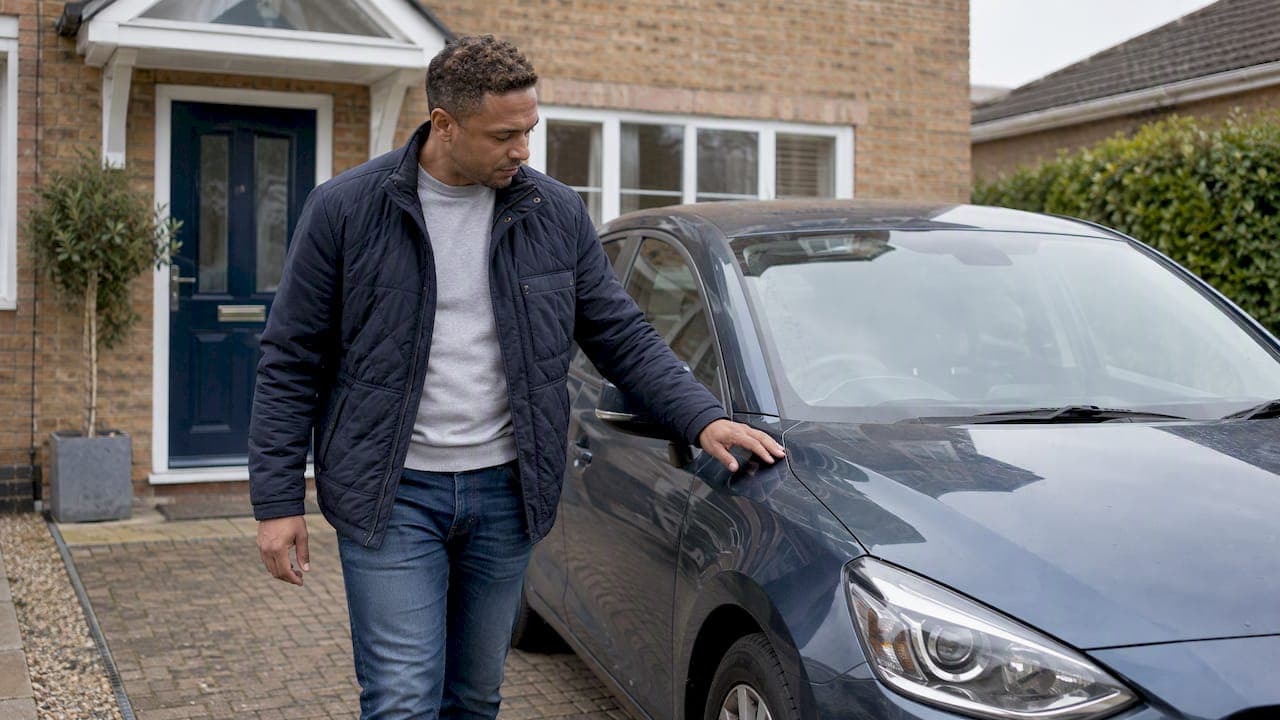
The best time to lease a car in the UK is when you are ready to compare deals properly, which usually means starting two to four months before you need the car. There is no single magic month. Timing helps at the edges, but the biggest savings come from choosing the right car, the right contract length and the right initial payment. Here is how to use timing in your favour, and where it stops mattering.
TL;DR
- No calendar date guarantees the cheapest lease. Funder stock, the model's age and the contract you choose move the monthly price more than the month does.
- Start looking two to four months ahead if you are flexible, so you can compare several deals and allow for delivery.
- Cars already in stock or on short order tend to be easier to plan around than a factory order with a long wait.
- Test drive through a manufacturer or dealer before you sign, because lease providers rarely offer test drives.
- Negotiate on the whole contract: initial payment, mileage, term, maintenance and fees, not just the headline monthly figure.
Table of Contents
- Why there is no single best month
- Timing that does help
- How far ahead to start looking
- Take a test drive before you commit
- How to negotiate a car lease in the UK
- Worked example: two ways to look at the same lease
- Does the type of driver change the best timing?
- What Lease World offers
- Our view: stop waiting for the perfect month
- A short checklist before you sign
- FAQ
- Sources
Why there is no single best month
People ask this question because buying a house or booking a holiday has clear peaks and troughs. Leasing is different. A car lease is a contract hire agreement, priced by a funder who looks at what the car is expected to be worth at the end of the term, the cost of the money and the mileage you plan to cover. None of that follows the school calendar.
What changes from week to week is the pool of deals. Funders adjust pricing on specific models as stock levels, manufacturer support and demand shift. A car that looks expensive one month can be sharply priced the next, and the reverse is also true. That is why a broker that checks several funders is more useful than waiting for a particular month.
So think of timing as three separate questions:
- When do I need the car? This sets your real deadline.
- When is a specific model priced well? This changes often and is worth checking regularly.
- When does my current arrangement end? Overlapping costs are the one timing mistake that is easy to avoid.
Timing that does help
When your current car or lease ends
The most expensive timing error is not a bad month. It is leaving your search so late that you extend your old contract, pay a rolling rate or take the first car available. If your current lease is ending, begin comparing at least a few months ahead. That gives you room to walk away from a deal that does not suit you.
If you are leaving a lease early, check the termination terms in your agreement first, because early exit charges can be substantial and are set out in the contract itself.
When you are flexible on the car
If you can be open about make, colour or trim, you can take advantage of whichever deals are currently sharp. The more specific you are (a particular colour, a particular option pack, a particular delivery week), the fewer cars match and the less room you have to wait for a better price.
Our own best cars to lease guide is a useful starting point for seeing which categories offer the widest choice, and you can browse the car brands available for leasing to widen your shortlist.
When a model is changing
Manufacturers update models, trims and powertrains on their own schedules. A model nearing the end of its run can sometimes be priced attractively as funders clear stock, while a brand new model may carry a higher price and a longer wait. Neither is better in every case. The right choice depends on whether you want the newest specification or the lowest monthly cost. Ask your broker whether the car you are looking at is changing soon, so you are not surprised by a replacement arriving a few months after you sign.

When you want an electric car
Electric car pricing moves quickly, because it depends on manufacturer incentives, funder appetite and the used market. That makes regular comparison more valuable than waiting for a set month. You can see current options on our electric car lease deals page, or look at the cheapest electric cars to lease if budget is your main filter.
How far ahead to start looking
For most drivers, two to four months before you need the car is a comfortable window. It is long enough to compare properly and short enough that prices you see are still relevant when you order.
Here is how the timeline usually breaks down:
| Stage | What happens | What you should do |
|---|---|---|
| Research | You decide on budget, car type and contract length | Set a maximum monthly figure and a mileage estimate |
| Comparison | You request quotes and compare like for like | Check initial payment, term, mileage and fees |
| Test drive | You try the model or the closest version | Book through the manufacturer or a dealer |
| Credit check and order | The funder approves you and the car is ordered | Have your documents ready to avoid delays |
| Delivery | The car arrives, often with a handover | Check the car and paperwork before accepting |
Delivery is the part people underestimate. A car that is in stock can often be delivered within a few weeks, while a car built to order can take considerably longer, and the wait depends on the manufacturer and the model. Ask for an estimated delivery window in writing before you commit, and ask what happens if the date slips.
If you need a car quickly, short-term vehicle leasing can bridge a gap, though it is usually priced higher per month than a standard term because the funder has less time to recover the cost.
Take a test drive before you commit
A lease is a commitment of one to four years or more, so it is worth knowing you can live with the car. The catch is that lease providers tend not to provide test drives themselves. Autotrader's guide to arranging a test drive advises arranging one through the manufacturer's website, and making sure the version you drive matches the one you will get as closely as possible.
In practice, that means:
- Match the powertrain. A petrol, hybrid and fully electric version of the same model drive and feel quite different.
- Match the trim and wheel size. Larger wheels often mean a firmer ride and can affect range on an EV.
- Try your real journey. Do a motorway stretch, a few junctions and a car park. Check how easy it is to get in and out, and whether your child seat or equipment fits.
- If the exact model is not available, drive the nearest one and ask the dealer which differences to expect, such as engine output or suspension.
If you are still deciding whether leasing suits you at all, this lease versus buy checklist is worth reading before you shortlist cars.
Once you know which car you like, send us the details through our quote form and we will price it against the funders we work with.
How to negotiate a car lease in the UK
People often assume leasing prices are fixed. In reality there is room to improve a deal, but it rarely comes from haggling over a single number. It comes from understanding what makes up the price.
Know the parts of the price
A typical contract hire quote includes:
- The initial payment, often expressed as a multiple of the monthly rental (for example, three or six times).
- The monthly rental, which stays fixed for the term.
- The term, commonly between 24 and 48 months.
- The annual mileage, which sets the excess charges if you go over.
- Fees, such as documentation or admin charges, which vary between providers.
- Maintenance, if you add an optional package.
Two quotes with the same monthly figure can cost very different amounts overall. Add the initial payment and any fees to the monthly payments across the term, then divide by the number of months. That gives you a fairer monthly cost to compare.
Levers that actually move the price
- Initial payment. A larger upfront payment lowers the monthly figure, but the total cost can be similar or higher. A no deposit option does the opposite: lower upfront, higher monthly. Choose based on your cash flow, not on the lowest headline number.
- Mileage. Be honest. Buying too few miles leads to excess charges, while buying too many means you pay for miles you never drive. Look at your last year of journeys.
- Term. A longer term often lowers the monthly payment, but you are tied in for longer, and a car's needs can change.
- Trim and options. Dropping a costly option pack can save more than any negotiation.
- Flexibility on the car. Being open to similar models is the strongest bargaining position you have.
- Maintenance. An optional package adds to the monthly cost but can make budgeting predictable. Weigh it against how much servicing and tyre wear you expect.
For a deeper walk-through, see our guide on how to get the lowest monthly lease payment, and our guide to comparing car lease deals for what to check line by line.
Questions worth asking
- Is the monthly price fixed for the whole term, and are there any fees on top?
- What are the excess mileage charges per mile?
- What counts as fair wear and tear at the end of the lease?
- What is the early termination policy?
- Is delivery included, and when is it expected?
A broker should answer all of these plainly. If they cannot, treat that as information.
Worked example: two ways to look at the same lease
Imagine two quotes for the same car over 36 months. These figures are for illustration only and are not Lease World prices.
| Quote A | Quote B | |
|---|---|---|
| Initial payment | Higher | Lower |
| Monthly rental | Lower | Higher |
| Fees | Admin fee added | None |
| Total over 36 months | Often similar or higher | Often similar or lower |
Quote A looks cheaper on a monthly basis, but once you add the initial payment and fee across the term, the gap can disappear. Quote B may suit you better if you prefer less cash tied up at the start. Neither is wrong. The point is to compare the total, not the headline.
Does the type of driver change the best timing?
Yes, in a few practical ways.
- Private drivers usually have the most flexibility. If your car is not urgent, you can wait for sharper pricing on your shortlist. Start with personal car leasing.
- Business drivers may want to align a lease with a company's financial planning or the arrival of a new contract. Our page on business car leasing explains the options, and the question of whether you can lease a car for business use is answered separately.
- Van users often need the vehicle by a fixed date, such as the start of a contract. Allow extra time and look at van leasing.
- Driving instructors and NHS staff can find deals designed around their work. You can start from our NHS staff car leasing page.
What Lease World offers
We are a family-run, FCA-authorised broker and BVRLA member with more than 30 years of experience. We compare contract hire agreements across funders and put together tailored quotes with fixed monthly payments, with no deposit options available. Eligible new vehicles come with free mainland UK delivery, and we can add optional maintenance packages and support through the process.
If you already know roughly when you need a car, the quickest step is to see what is available now.
Browse our car leasing deals or request a quote and we will compare options for your budget, mileage and timeline.
Our view: stop waiting for the perfect month
We speak to drivers every week who have been watching prices for months, hoping for a drop. Sometimes that works. More often they end up with an older car, a rolling contract or a rushed decision at the end.

Our advice is simple. Decide your budget and your deadline first. Then compare several real quotes on the same terms, rather than judging by the headline price. If a good deal on a car you like appears, it is usually better to take it than to gamble on a better one. Prices on specific models change, but your need for reliable transport does not wait.
We also encourage people to test drive before committing, and to be honest about mileage. Those two habits prevent more regret than any clever timing. And if a quote hides fees or leaves out what is included, ask us to explain it, and ask other brokers too.
— Jason
A short checklist before you sign
- Have you set a maximum total cost, not only a monthly one?
- Have you compared at least three quotes on the same term, mileage and initial payment?
- Have you test driven the car, or a close match?
- Do you have a written delivery estimate?
- Do you know the excess mileage rate and the end of lease conditions?
- Have you checked what insurance and servicing will cost on top?
- Does the contract end when you expect your needs to change?
If you want to see what low-cost options look like, our cheap car lease deals and cheapest car lease UK guide are good places to start.
FAQ
Is there a cheapest month to lease a car in the UK?
There is no month that is reliably cheapest. Lease pricing follows funder stock, manufacturer support and demand for each model, and those change constantly. It is better to compare live quotes on your shortlist than to wait for a particular date.
How early should I start looking for a car lease?
Two to four months before you need the car works well for most people. That leaves time to compare quotes, test drive, pass the credit check and allow for delivery. If you want a car built to order, start earlier, because the wait can be longer.
Can I test drive a car before leasing it?
Lease providers generally do not offer test drives, so you arrange one through the manufacturer or a dealer. Try to drive the same powertrain and trim as the one you plan to lease. If the exact version is not available, drive the closest one and ask what differs.
Can I negotiate a car lease?
Yes, though it is usually about the whole contract rather than a single price. You can adjust the initial payment, mileage, term, options and maintenance package, and compare fees between providers. Being flexible on the exact car is the biggest advantage you have.