
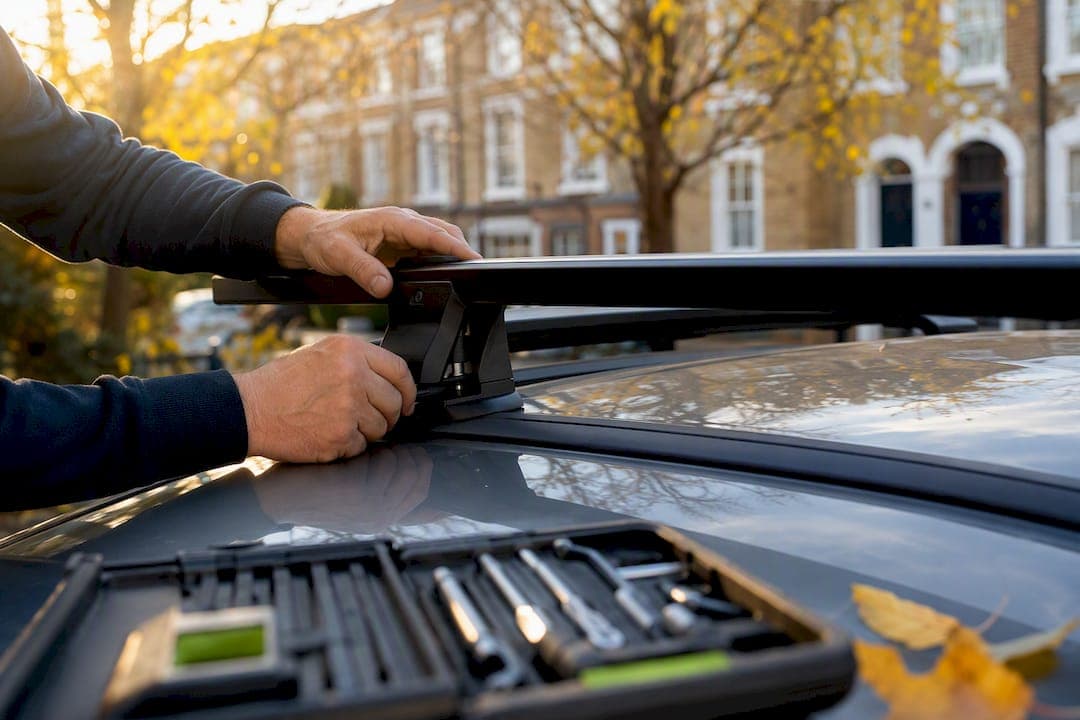
Most funders will allow reversible, non-structural changes such as dashcams, tow bars and roof boxes, but almost nothing permanent. The golden rule is simple: get written permission before you fit anything, and put the vehicle back to its original specification before you hand it back.
- Usually fine: dashcams, roof boxes, trackers, private plates, removable wraps, tow bars with approval.
- Usually banned: engine remaps, performance exhausts, structural or bodywork changes, permanent colour changes.
Before you touch a spanner, check your contract and email the finance company in writing. Skip that step and you risk a restoration bill when the vehicle goes back.
Key Takeaways
Reversible, professionally fitted modifications with written funder permission are generally allowed; permanent, structural, or performance changes almost always breach lease terms and trigger restoration charges.
| Point | Details |
|---|---|
| Permission comes first | Email the funder before fitting anything and keep their written reply on file. |
| Reversible mods are safest | Dashcams, tow bars, roof boxes and trackers are usually accepted if removed cleanly. |
| Structural changes are banned | Remaps, performance exhausts and bodywork alterations almost always breach the contract. |
| Insurance needs updating | Tell your insurer before fitting to keep cover valid on any future claim. |
| Lease World can help | Lease World offers pre-return checks and guidance on funder permission letters before you modify. |
Primary sources and further reading
- Returning your leased vehicle — BVRLA consumer guidance.
- BVRLA guidance collection — full factsheet library.
- Can You Modify a Leased Car? — Lease World's own overview.
- Guides to leasing — further Lease World reading.
This article is general information, not a substitute for advice from a qualified lawyer. Consult a qualified legal professional about your own circumstances before acting on anything here.
Table of Contents
- What counts as a modification on a lease car?
- Which vehicle modifications are usually permitted?
- Which modifications are normally prohibited?
- Steps to take before modifying a leased vehicle
- How end-of-lease inspections treat modifications
- Insurance, MOT and road legality checks
- Documenting permission to avoid disputes
- Why funders set these rules the way they do
- Get help before you modify, or before you switch
- Sources
- FAQ
What counts as a modification on a lease car?
A modification is any permanent or semi-permanent alteration to the vehicle's body, mechanics, or electronics. An accessory, by contrast, is something bolted or plugged on that comes off cleanly without a trace. That distinction decides whether your finance company treats a change as harmless or a breach of contract.
- Accessory: dashcam, phone mount, seat covers, roof box.
- Modification: engine remap, body kit, non-standard alloys, wrap left on permanently, ply-lining bonded into a van's interior.
Funders draw this line because they still own the vehicle. Under the BVRLA Leasing Code, members must set out return standards and any liabilities tied to alterations before the contract is signed, precisely so nobody is surprised later. Anything that changes safety, resale value, or how easily the car sells on affects how it gets classified, and that's what determines whether you need a nod from the funder or not.
Which vehicle modifications are usually permitted?
This is the category most leaseholders actually care about, and the answer to the search query "can you modify a leased car" almost always starts here. If a change is reversible, professionally fitted, and documented, funders tend to say yes.
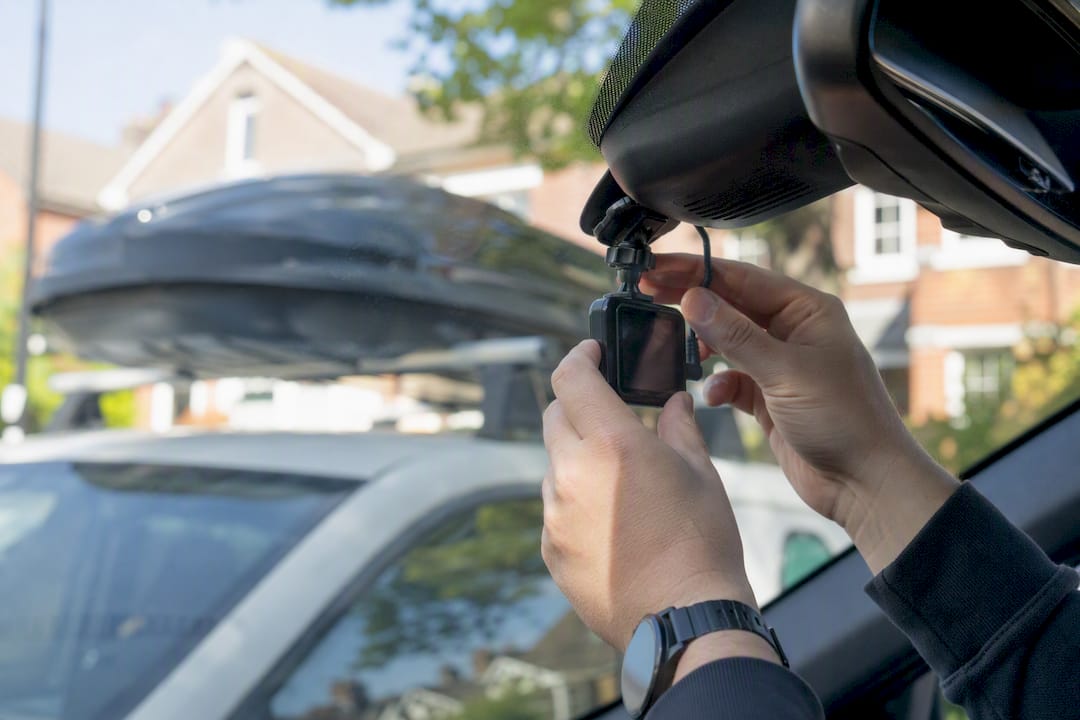
- Dashcams — fitted with adhesive mounts, no wiring cut into the loom, no issue.
- Removable trackers or black boxes — common for young drivers or fleet insurance, rarely objected to.
- Roof boxes and roof racks — bolt to existing rails; remove before return.
- Tow bars — often allowed, but check with both the funder and your insurer first, since fitment usually means drilling into the bumper or chassis rail.
- Removable signage, decals, or vinyl wraps — acceptable if the wrap can be stripped without damaging the paint underneath.
- Private registration plates — always allowed; the original plate details stay on file and get reinstated at return.
- Seat covers and phone mounts — low risk, purely cosmetic and instantly removable.
- Ply-lining in vans — often permitted for trade use, provided it's screwed rather than bonded and comes out cleanly.
Alloy wheels sit in a grey area. Swapping to a larger, non-standard set can affect the ride, insurance group, and warranty, so most funders want the original wheels kept in storage and refitted before collection. As MoneySuperMarket notes, the lender remains the legal owner throughout, and even small reversible changes like tow bars or seat covers depend on written consent and full removal before handover.
Which modifications are normally prohibited?
Anything that alters the vehicle's engineering, structure, or factory finish is where funders draw a hard line, and this covers most of what search traffic means by "allowed changes to lease vehicles" once accessories are ruled out.
- Engine remaps — void warranties, affect emissions compliance, and are near-impossible to fully reverse.
- Performance exhausts — change noise levels and emissions figures, both of which matter for MOT and resale.
- Suspension alterations — lowering springs or upgraded dampers change handling and can raise safety questions at inspection.
- Structural or bodywork changes — wide arches, spoilers bonded on, chassis welding: all reduce marketability to the next owner.
- Permanent colour changes or wraps left in place — factory paint is the baseline funders expect back.
- Interior structural work or major rewiring — anything that touches the original loom or cuts into trim panels.
Even a technically reversible mod can cause trouble if fitting or removing it damages original parts, chips paint, or leaves screw holes. The funder cares about resale value, safety, and legal compliance above everything else, and any of these categories threatens one of those three.
Steps to take before modifying a leased vehicle
Getting permission first is the single habit that separates a smooth handover from a nasty invoice. Follow this order.
- Read your lease contract properly. Look specifically for the return standards clause and any wording about alterations or accessories.
- Email the funder or lessor and ask in writing. State exactly what you want to fit, who will fit it, and confirm it's fully reversible. Keep their reply.
- Tell your insurer before work starts. Confirm the change is covered, then book a professional fitter and keep every invoice and warranty card.
- Photograph the car before and after fitting. Plan the removal date in advance so restoration happens well before the vehicle goes back.
Pro Tip: Save the funder's written permission as a PDF with the date in the filename, and keep the email thread rather than just a text message. If there's ever a dispute at collection, a dated paper trail settles it in minutes.
If your contract terms feel unclear on any of this, it's worth reading through what a typical lease agreement covers before you commit to any fitting work.
How end-of-lease inspections treat modifications
Return inspections check for damage, wear beyond fair use, missing equipment, service history, and mileage, and any modification still fitted (or badly removed) gets assessed against that same checklist. According to BVRLA guidance on returning a leased vehicle, customers can arrange professional repairs before the handover to avoid charges landing on the final invoice.
Typical restoration charges include:
- Repainting to match factory colour where a wrap has damaged the surface underneath.
- Filling and finishing drilled holes from tow bars or roof rack fittings.
- Replacing non-standard alloys with the original wheels.
- Repairing body panels altered by kits or spoilers.
- Re-certifying any work that affected MOT-relevant systems.
Fair wear and tear guidance makes clear that panel cracking or shape deviations from the original are not acceptable, and that wraps or emblems must be removed following the leasing company's own instructions, not guesswork.
If a charge feels unfair, request the itemised evidence and photos from the inspection, and check it against BVRLA's refreshed wear and tear guide for vans. Arranging your own pre-return repair with a transferable warranty is usually cheaper than accepting the funder's quote.
Insurance, MOT and road legality checks
A modification you never told your insurer about can void a claim entirely, even years later, even for damage unrelated to the mod itself.
- Notify your insurer before fitting anything, not after. Cover can be reduced or refused if a claim arises and the policy doesn't reflect the current specification.
- Check MOT implications. Reflective wraps, altered lighting, and exhaust changes can all affect emissions testing or lighting compliance at the next MOT.
- Confirm number plate and visibility rules stay intact, particularly with wraps or tinting that might obscure registration plates or rear lights.
Practical driver resources like Autotrader's SOS guides are useful for a quick sanity check on safety-related fitments before you book them in.
Documenting permission to avoid disputes
Keep a single folder, digital or physical, with everything that proves you did this properly.
- Written permission from the funder or lessor.
- Insurer confirmation email or updated policy schedule.
- Fitting receipts and any warranty documents from the installer.
- Dated photos taken before and after fitting, and again after removal.
Store dated PDF copies of every email rather than relying on an inbox search months later, and bring the folder to any pre-collection appraisal.
Pro Tip: If you want a modification to stay on the vehicle permanently, ask the funder to confirm this in writing as a return-condition clause, not just a one-off approval. That protects you if the account changes hands or the person who approved it moves on.
Why funders set these rules the way they do
Industry guidance exists because resale value is what pays for the whole leasing model. The BVRLA's guidance collection covers everything from tax to fleet practice, but the return-standards principle runs through all of it: the vehicle needs to sell easily to its next owner.
The vehicle's original condition remains the non-negotiable benchmark at lease end. Funders care about three things above all else: resale value, safety, and marketability.
Lease World supports customers through this process with pre-return checks and guidance on authorised repair options, so nobody is guessing what an inspector will flag.
A quick word from Lease World
Getting permission sorted early removes almost all the risk here. If you're unsure what your funder will accept, ask before you fit anything, not after.
Get help before you modify, or before you switch
There are DIY routes to sorting this yourself: reading the small print, chasing the funder by email, hoping the fitter does a clean job. Lease World's advisers do the legwork instead, helping you interpret your lease terms, get a direct line to the funder for written permission, and arrange pre-return checks with authorised repairers if something needs sorting before collection.
If modifying isn't worth the hassle and you'd rather move on to a fresh contract, Lease World's personal car leasing deals come with fixed monthly payments and no hidden fees, and vans are covered too through the window van leasing range. Fees are always transparent and support is personal rather than call-centre scripted. Whichever route suits you, start with a leasing enquiry and get a straight answer on your options.
Sources
- Returning your leased vehicle
- BVRLA Leasing Code (member guidance PDF)
- Can I modify a financed car? | MoneySuperMarket
FAQ
What modifications are allowed on a leased car?
Reversible, non-structural additions such as dashcams, tow bars, roof boxes, and trackers are usually allowed with written permission from the funder, provided they're removed before the car goes back.
Can you put mods on a leased car?
Yes, but only with the funder's written consent beforehand. Fitting anything without asking risks a breach of contract and charges at collection.
What is the 1.5 rule when leasing a car?
This isn't a recognised industry standard within BVRLA or lease contract guidance, so treat any online reference to it with caution and check your own contract's specific mileage and condition terms instead.
Can you modify the exhaust on a leased vehicle?
Generally no. Performance exhausts change emissions output and noise levels, both of which affect MOT compliance and resale value, so funders typically class this as a prohibited modification.
Who do I need to tell before modifying a lease car?
Contact the funder or lessor in writing first, then notify your insurer once you have approval, and use a professional fitter who provides receipts and warranty documentation.